Marketing Funnel Optimization: The Ultimate Must-Have Growth Guide
In today’s highly competitive digital landscape, marketing funnel optimization has become an essential strategy for businesses aiming to accelerate growth and improve conversion rates. With consumers encountering countless touchpoints before making a purchase decision, optimizing every stage of the marketing funnel ensures that potential customers have a seamless journey—from awareness to action. This comprehensive guide will walk you through the core principles of refining your marketing funnel and how these optimizations can unlock substantial growth for your business.
Understanding the Marketing Funnel: The Foundation of Growth
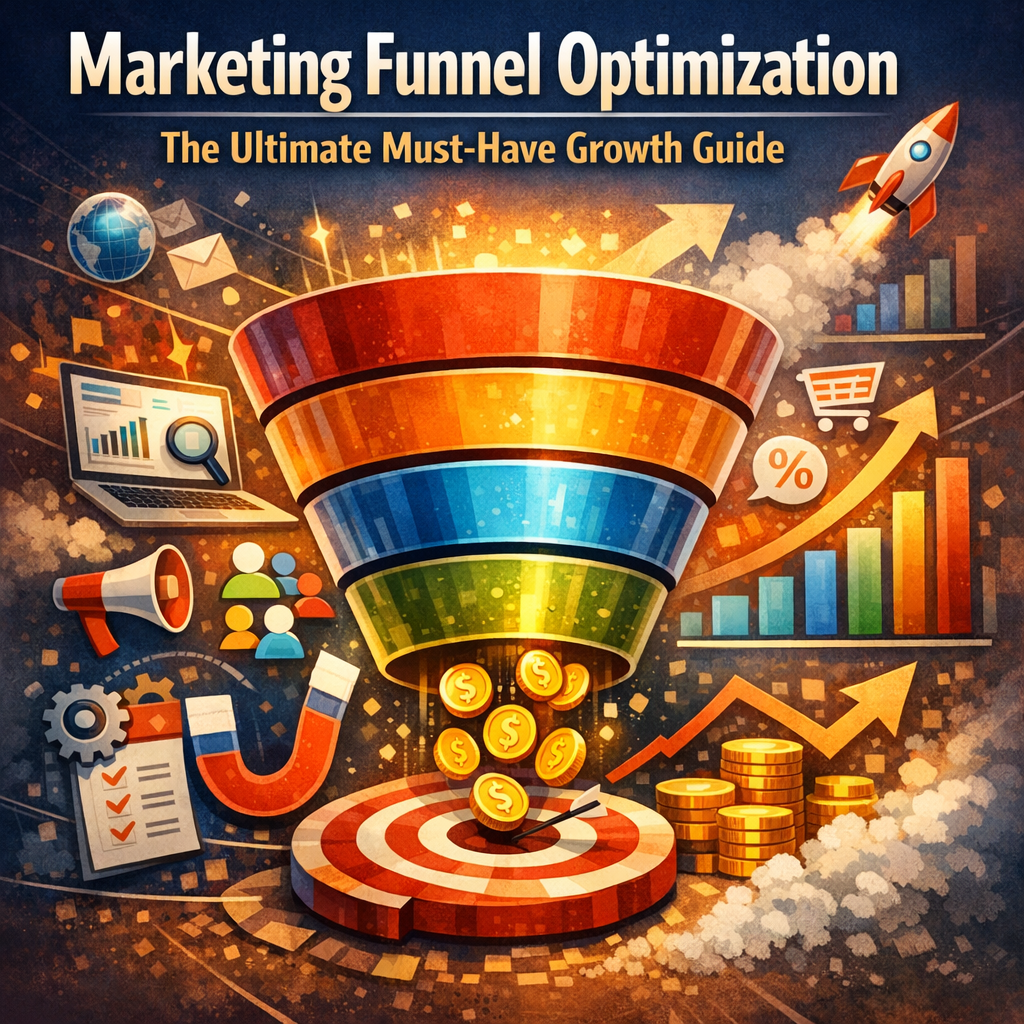
Before diving into optimization techniques, it’s crucial to understand what a marketing funnel entails. The marketing funnel represents the path that potential customers follow as they move from being strangers to loyal clients. The funnel typically consists of several stages:
– Awareness: The stage where prospects first learn about your brand or product.
– Interest: When potential customers show curiosity and begin researching.
– Consideration: As leads evaluate options and weigh the benefits of your product against competitors.
– Intent: When prospects demonstrate buying signals, such as adding items to a cart or engaging with sales content.
– Purchase: The final action where the prospect converts into a customer.
– Loyalty/Advocacy: Post-purchase engagement encouraging repeat business and referrals.
Marketing funnel optimization means identifying and addressing bottlenecks or inefficiencies at each stage to enhance overall conversion rates and improve the customer experience.
Why Marketing Funnel Optimization Is Crucial for Business Growth
Optimizing your marketing funnel isn’t just about increasing sales—it’s about building a resilient growth engine that nurtures customer relationships and maximizes lifetime value. Here’s why businesses cannot afford to ignore it:
– Improved Conversion Rates: By fine-tuning each stage, you can convert more leads into paying customers.
– Reduced Customer Acquisition Cost (CAC): Efficient funnels minimize wasted spend by focusing resources on high-impact touchpoints.
– Better Customer Insights: Funnel analysis reveals where prospects drop off, allowing you to personalize messaging and offerings.
– Enhanced Customer Experience: A well-optimized funnel ensures that leads encounter relevant content and smooth transitions, boosting satisfaction.
– Sustainable Long-Term Growth: Continuous optimization adapts your funnel to market shifts and evolving customer preferences.
Key Strategies for Successful Marketing Funnel Optimization
1. Analyze Funnel Metrics and Identify Drop-Off Points
Start the optimization process by examining your funnel analytics. Metrics such as click-through rates, bounce rates, time spent on pages, and conversion rates at each stage will pinpoint where leads disengage.
Tools like Google Analytics, heatmaps, and CRM dashboards provide valuable insights. For instance, a high bounce rate on a product page could indicate unclear messaging or poor user experience. Knowing where the bottlenecks are lets you allocate effort and resources more effectively.
2. Enhance Awareness with Targeted Content Marketing
To capture leads at the top of the funnel, invest in creating valuable and targeted content. Content marketing fuels awareness by educating, informing, and engaging your audience via blogs, videos, podcasts, and social media posts.
Employ SEO best practices to amplify organic reach, and use paid advertising to reach specific demographics. The goal is to attract qualified traffic that moves smoothly to the next funnel stage.
3. Nurture Leads with Personalized Engagement
Once leads enter the funnel, personalization becomes key to maintaining interest and driving consideration. Use marketing automation tools to deliver tailored emails, dynamic website content, and retargeting ads based on browsing behavior and preferences.
Implement lead scoring models to prioritize high-intent prospects and deploy drip campaigns that provide relevant offerings, case studies, or webinars to build trust and credibility.
4. Simplify the Conversion Process
One of the most common reasons for drop-offs during the intent and purchase stages is friction in the buying process. Optimize by minimizing form fields, offering guest checkout options, and providing multiple payment methods.
Clear calls-to-action (CTAs), urgency tactics like limited-time offers, and social proof (reviews and testimonials) can also nudge leads toward conversion.
5. Optimize Post-Purchase to Foster Loyalty and Advocacy
The funnel doesn’t end with a sale. Retention efforts such as personalized follow-ups, loyalty programs, and excellent customer service enhance lifetime value and turn customers into brand advocates.
Ask for feedback and encourage reviews or referrals, which can feed new leads into the funnel organically.
Measuring Success and Continuous Improvement
Marketing funnel optimization is an ongoing process. Establish key performance indicators (KPIs) aligned with business goals to track progress. Regularly conduct A/B testing on landing pages, emails, and CTAs to identify what resonates best with your audience.
Use customer feedback and emerging market trends to update your strategies. Staying agile and data-driven allows your marketing funnel to evolve and drive continued growth.
Conclusion
Mastering marketing funnel optimization is a fundamental growth driver that empowers businesses to convert prospects efficiently and nurture lasting customer relationships. By comprehensively analyzing every stage of the funnel, crafting personalized engagement strategies, simplifying conversion steps, and investing in post-purchase loyalty, you can create a powerful engine for sustainable success. Whether you’re new to digital marketing or looking to fine-tune existing campaigns, applying these actionable strategies will set you on the path to accelerated growth and competitive advantage.