Ad Testing Strategy: The Ultimate Guide with Must-Have Tips
An ad testing strategy is an essential component of any successful marketing campaign. Whether you’re running digital ads on social media or traditional ads on television and print, understanding which creative, messaging, and targeting resonates best with your audience can make a significant difference in your campaign’s effectiveness and ROI. In this ultimate guide, we will explore key elements of an effective ad testing strategy, practical tips, and how to use data-driven insights to optimize your ads for maximum impact.
What Is an Ad Testing Strategy?
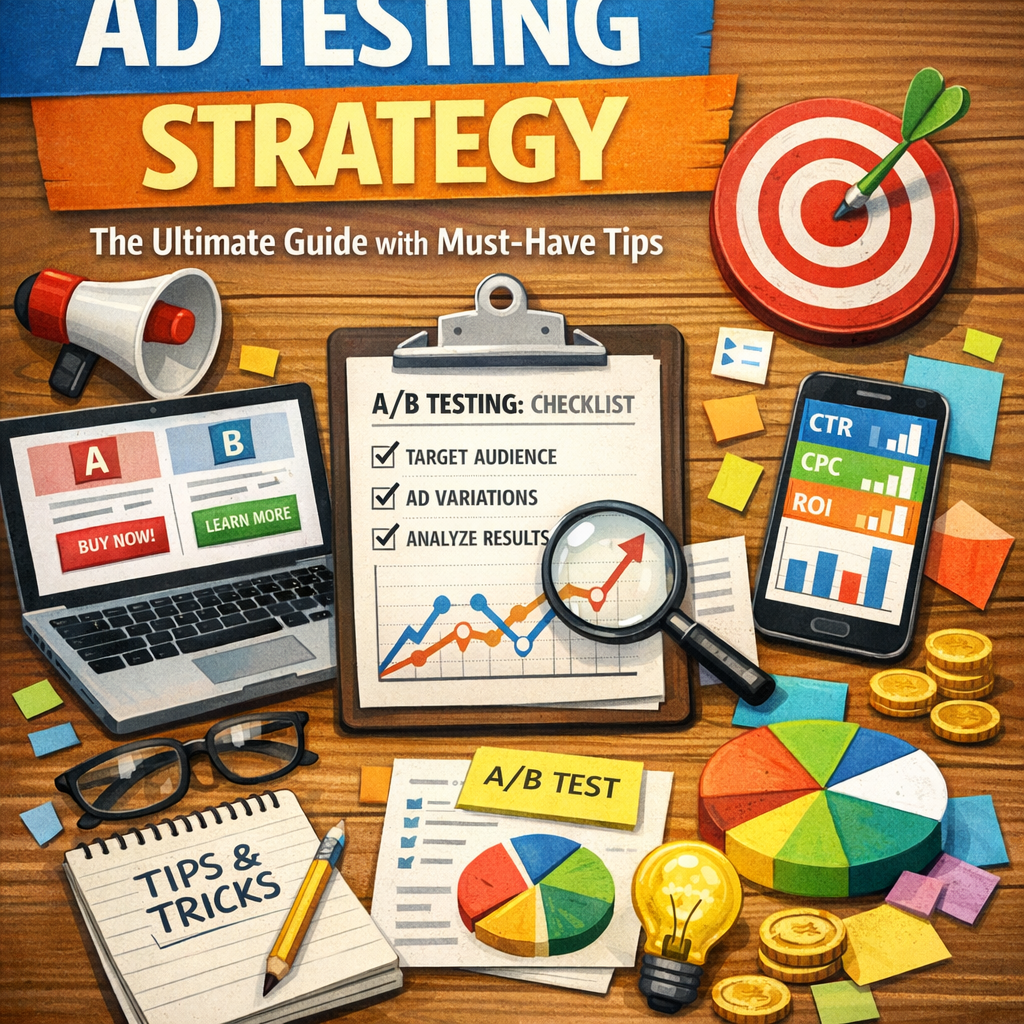
An ad testing strategy is a systematic approach to evaluating the performance of different variations of ads to determine which version achieves the best results. It involves creating multiple versions of an ad, testing them against each other, analyzing the data, and applying insights to improve future campaigns. This process is often referred to as A/B testing or split testing.
With a well-defined ad testing strategy, marketers can identify which headlines, images, calls to action, or audience segments drive engagement, clicks, conversions, and sales. It’s a continuous cycle of experimentation and optimization aimed at reducing guesswork and maximizing the effectiveness of ad spend.
Why Is an Ad Testing Strategy Important?
In today’s competitive advertising landscape, simply creating one ad and hoping it performs well is not enough. Consumer preferences are diverse and ever-changing, and what works for one audience or platform may not perform on another. An ad testing strategy helps you:
– Identify the most persuasive ad elements that resonate with your target audience.
– Optimize your budget by focusing resources on high-performing ads.
– Avoid costly mistakes by spotting underperforming ads early.
– Gain valuable insights into customer behavior and preferences.
– Improve overall campaign effectiveness and drive better ROI.
Without testing, businesses risk wasting money on ineffective ads and missing valuable opportunities to connect with potential customers.
Steps to Building an Effective Ad Testing Strategy
1. Define Clear Objectives
Start by identifying what you want to achieve with your ads. Are you driving website traffic, increasing product sales, boosting brand awareness, or generating leads? Clear goals will guide your testing approach and metrics to focus on.
2. Select Variables to Test
Choose one or more components of your ad to test. Common variables include:
– Headlines or ad copy
– Images or videos
– Call-to-action (CTA) buttons
– Audience targeting
– Ad formats or placements
Testing too many variables simultaneously can make it hard to pinpoint what’s driving results, so prioritize key elements.
3. Develop Multiple Ad Variations
Create different versions of the ad based on the variables you want to test. For example, if you’re testing headlines, design two unique headlines while keeping other factors constant.
4. Choose the Right Testing Method
A/B testing is the most straightforward method, where two ad variations are tested against each other. Multivariate testing can evaluate multiple variables simultaneously but requires more traffic and complex analysis.
5. Set Up Testing and Monitor Results
Launch your ad variations with equal budget and timing to ensure a fair test. Monitor key performance indicators (KPIs) such as click-through rate (CTR), conversion rate, cost per click (CPC), and return on ad spend (ROAS).
6. Analyze Data and Draw Conclusions
Use statistical significance tools and analytics to determine the winning ad. Look beyond surface metrics to understand why one version performed better.
7. Implement Learnings and Iterate
Apply insights to refine your ads and repeat the testing cycle for continuous improvement.
Must-Have Tips for a Successful Ad Testing Strategy
Focus on One Variable at a Time
To clearly understand which change influenced performance, test one element at a time. For example, keep the image the same while trying different headlines.
Use Sizable Sample Groups
Testing on too small an audience can lead to unreliable results. Ensure your test groups are large enough to achieve statistically significant data.
Keep Your Testing Period Consistent
Run all versions of your ad simultaneously or within the same timeframe to avoid external factors skewing results, like seasonality or trending events.
Leverage Analytics Tools
Use platforms like Google Ads, Facebook Ads Manager, or specialized A/B testing tools to track and interpret your ad performance with precision.
Don’t Ignore Negative Results
Ads that perform poorly still provide valuable insights. Learning what doesn’t resonate helps avoid those mistakes in future campaigns.
Document Your Results
Track all your tests, metrics, and conclusions in a central location. A testing log helps you build on past learnings and increase efficiency over time.
Conclusion
An effective ad testing strategy empowers marketers to take the guesswork out of advertising by providing clear, data-driven insights into what works best for their audience. By systematically testing different ad components, analyzing results, and applying learnings, businesses can optimize their campaigns for greater impact, lower costs, and improved return on investment. Remember, ad testing is not a one-time event but a continuous process that keeps your marketing efforts agile and customer-focused. Employ the must-have tips in this guide to propel your advertising campaigns toward smarter, more successful outcomes.