Ad ROI Optimization: Must-Have Ad Retargeting Strategy for Higher Profits
In the ever-evolving digital marketing landscape, ad ROI optimization has become a critical focus for businesses looking to maximize their advertising budgets. Every dollar spent on advertising must deliver measurable returns, and one of the most effective ways to boost your return on investment is through a well-executed ad retargeting strategy. This approach not only enhances brand recall but also significantly increases conversion rates and, ultimately, profits.
Understanding Ad ROI Optimization
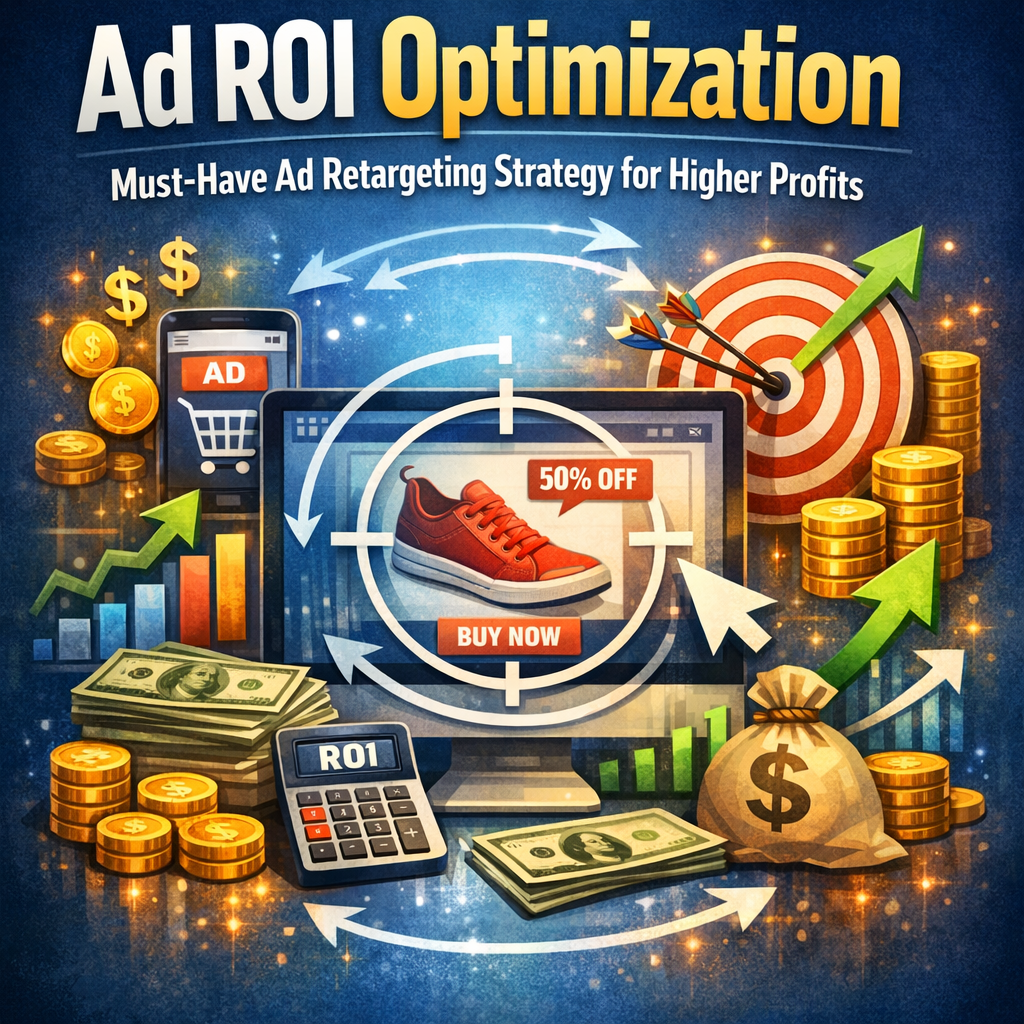
Ad ROI optimization refers to the process of refining your advertising efforts to achieve the highest possible return on investment. It involves analyzing campaign data, adjusting targeting strategies, improving ad creatives, and optimizing bid management to ensure that your ads reach the most relevant audience at the right time. While traditional targeting taps into new audiences, retargeting focuses on users who have already interacted with your brand, making it a powerful tactic to increase conversion efficiency.
What is Ad Retargeting?
Ad retargeting, also known as remarketing, is a strategy that targets ads to users who have previously visited your website, used your app, or engaged with your brand in some way but did not complete a desired action, such as making a purchase or signing up for a newsletter. These users have shown interest, which means they are further along the buying journey compared to cold prospects. Retargeting helps keep your brand top-of-mind, gently nudging these potential customers back to your site to finish what they started.
Why Ad Retargeting is Essential for Ad ROI Optimization
1. Higher Conversion Rates
Because retargeting specifically targets warm leads, it naturally leads to higher conversion rates than regular display or search ads. According to studies, retargeted ads can increase conversion rates by up to 70% compared to regular ads, which translates directly into better ad ROI optimization.
2. Cost-Effective Marketing
Retargeting generally costs less per click or impression than campaigns targeted at new users. Since your ads are aimed at users who have already demonstrated interest, the likelihood of conversion is higher, which means you spend less money acquiring customers and improve your overall cost-efficiency.
3. Enhanced Personalization
Retargeting allows marketers to customize ads based on user behavior. For example, if a visitor looked at a specific product category but did not purchase, you can show ads featuring those exact products or related offers. This personalized approach resonates more deeply with your audience and drives better engagement.
Key Components of a Successful Ad Retargeting Strategy
Segment Your Audience
Not all visitors are the same. Effective ad ROI optimization involves segmenting your audience based on their actions—such as browsing specific pages, adding items to the cart, or abandoning checkout—to serve more relevant ads that address their unique stage in the buying funnel.
Use Dynamic Ads
Dynamic retargeting ads automatically display products or services that users previously viewed, increasing relevancy and the chance of conversion. Platforms like Facebook and Google Ads support dynamic ads, making it easy to tailor experiences for visitors without manual intervention.
Set Frequency Caps
Bombarding users with retargeted ads can have diminishing returns and may even annoy potential customers. Frequency caps limit how often your retargeted ads appear, striking a balance between staying visible and avoiding oversaturation.
Leverage Cross-Device Targeting
Modern consumers engage with brands across multiple devices, so your retargeting strategy should follow them wherever they go—desktop, mobile, or tablet. Cross-device retargeting ensures consistent messaging and smoother customer journeys, improving the likelihood of conversion.
Monitor and Optimize Continuously
The hallmark of effective ad ROI optimization is ongoing analysis and adjustment. Monitor metrics such as click-through rates, conversion rates, and cost per acquisition to spot trends and tweak your campaigns. A/B testing ad creatives, targeting audiences, and offers can help identify what resonates best.
Real-World Impact: How Ad Retargeting Boosts Profits
For many businesses, the implementation of ad retargeting has led to dramatic increases in sales and profit margins. For example, online retailers often report a significant reduction in cart abandonment rates by retargeting users who left items behind. Similarly, service providers benefit by recapturing visitors who expressed interest but didn’t commit immediately.
A recent case study revealed that companies employing retargeting saw as much as a 147% increase in conversion rates compared to non-retargeted audiences. These improvements directly influence ad ROI optimization by squeezing more value out of each ad dollar.
Final Thoughts on Ad ROI Optimization Through Retargeting
To remain competitive and profitable in today’s crowded digital markets, it’s critical to go beyond simple ad placements and focus on nuanced strategies that actively drive results. Implementing an ad retargeting campaign is a must-have component of any ad ROI optimization blueprint. By reconnecting with warm prospects, personalizing messaging, and continuously refining tactics, businesses can achieve higher conversions, reduce wasted ad spend, and ultimately experience increased profits.
If you’re serious about turning your advertising efforts into a measurable business asset, investing time and resources into an effective retargeting strategy isn’t just recommended — it’s essential.