Ad Campaign Management: Must-Have Strategy for Small Business Success
In today’s highly competitive marketplace, ad campaign management plays an essential role in the growth and sustainability of small businesses. Effectively managing advertising campaigns is no longer a luxury but a necessity to capture attention, generate leads, and boost sales. With limited budgets and resources, small businesses must be strategic about how they plan, execute, and monitor their advertising efforts to maximize return on investment (ROI).
In this article, we’ll explore why adopting a strong ad campaign management approach is crucial for small business success, and how you can implement best practices to ensure your advertising dollars work harder for you.
What is Ad Campaign Management?
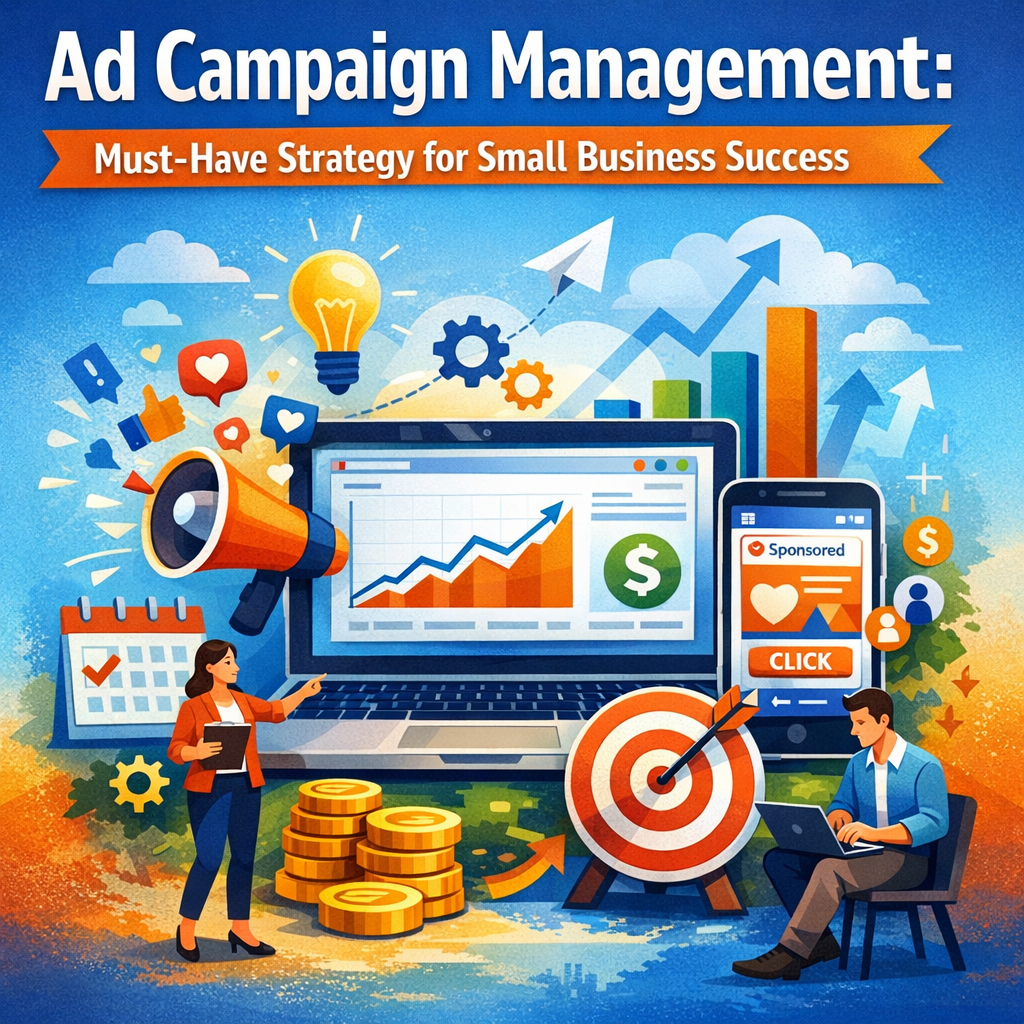
At its core, ad campaign management refers to the process of overseeing and optimizing advertising initiatives from start to finish. This involves tasks like setting clear campaign objectives, identifying target audiences, budgeting, designing ads, choosing the right channels, scheduling, tracking performance metrics, and adjusting strategies based on results. Good campaign management ensures that each stage aligns with your overall business goals and delivers measurable outcomes.
For small businesses, this holistic approach helps avoid wasted spending and keeps efforts focused on high-impact activities. Whether you are running social media ads, search engine campaigns, or traditional marketing tactics, managing these components effectively can make the difference between an expensive failure and a lucrative success.
Why Small Businesses Need Ad Campaign Management
Targeted Use of Limited Resources
Unlike large corporations, most small businesses operate with tight budgets and fewer personnel. Without a structured management process, advertising efforts can become scattershot and inefficient. Good campaign management allows small business owners to allocate their limited funds wisely by prioritizing channels and messages that resonate most strongly with their ideal customers.
Improved Customer Engagement and Reach
A managed campaign focuses on understanding the audience—their needs, preferences, and behaviors. By leveraging market data and analytics, small businesses can tailor ads that engage potential customers effectively. This results in higher click-through rates, increased brand awareness, and ultimately, more conversions.
Data-Driven Decision Making
One of the major advantages of modern digital advertising platforms is the ability to measure results in real-time. Campaign management involves continuously analyzing performance metrics, like cost per click (CPC), return on ad spend (ROAS), and conversion rates. Small businesses can thus make informed decisions, adjusting their strategies quickly to optimize results and avoid unnecessary expenses.
Key Elements of Effective Ad Campaign Management
1. Setting Clear, Measurable Goals
Before launching any campaign, identify what success looks like. Are you aiming to increase website traffic, boost product sales, grow your email list, or raise brand awareness? Establish specific, measurable, achievable, relevant, and time-bound (SMART) objectives to guide your efforts and provide benchmarks.
2. Understanding and Segmenting Your Audience
You can’t create effective ads without knowing your customers. Use market research, buyer personas, and customer data to segment your audience based on demographics, interests, behavior, and purchasing habits. This segmentation allows you to design personalized messaging that appeals directly to different groups.
3. Choosing the Right Advertising Channels
Small businesses have a wide array of channels to choose from, including Google Ads, Facebook, Instagram, LinkedIn, email marketing, and even offline methods like local events or print ads. Ad campaign management includes selecting channels that align with your audience’s preferences and your campaign goals.
4. Crafting Compelling Copy and Creative
Your ads need to catch attention and persuade action. Professional-looking visuals, a clear value proposition, and strong call-to-action (CTA) statements make a big difference. Testing different versions of your ads (A/B testing) can help identify what resonates best.
5. Budget Management and Scheduling
Allocating your budget strategically and scheduling ads to run when your audience is most active ensures maximum exposure and efficiency. Campaign management tools can often automate and optimize bidding strategies to help stretch your budget further.
6. Performance Monitoring and Optimization
Tracking campaign metrics is critical. Use analytics tools to monitor how ads are performing against your goals in terms of reach, engagement, conversions, and cost-effectiveness. Identify underperforming ads or segments and adjust targeting, creative, or spending accordingly.
Tips for Small Businesses to Excel in Ad Campaign Management
– Leverage Automation Tools: Platforms like Google Ads and Facebook Ads Manager offer automation features for bidding, targeting, and reporting. Use these to save time and increase accuracy.
– Start Small and Scale: Begin with a modest budget and test campaigns thoroughly. Once you find what works, gradually increase your investment.
– Stay Updated on Trends: The advertising landscape evolves continuously. Keep learning about new ad formats, targeting options, and digital marketing trends to stay ahead.
– Seek Professional Help If Needed: If managing campaigns feels overwhelming, consider hiring a marketing consultant or agency experienced in small business advertising.
Conclusion
Effective ad campaign management is undeniably a must-have strategy for small business success. By systematically planning, executing, and refining ad campaigns, small business owners can maximize their advertising ROI, connect with their customers in meaningful ways, and ultimately grow their enterprises. With careful attention to goals, audience insights, and performance data, managing your ad campaigns becomes less daunting and far more impactful—setting a solid foundation for sustained business growth.